
Lighting has always been one of the most powerful elements in interior design. It influences mood, emphasizes space, and defines the character of a room. Over the years, lighting technology has advanced significantly — and one of the most remarkable developments is RGB LED technology. With its ability to produce millions of colors, adapt to moods, and integrate with smart controls, RGB LEDs are transforming the way we design and experience interior spaces.
From vibrant accent lighting to soft, ambient glows, RGB LEDs provide designers and homeowners with unprecedented creative freedom. Let’s explore how this modern technology enhances interior design in function, form, and emotion.
1. Expanding Creative Possibilities
Traditional lighting often limited designers to a few color options — usually warm white or cool white. RGB LED technology, however, offers an entire spectrum of colors that can be adjusted instantly to match the desired ambiance.
With just one lighting system, you can create countless atmospheres.LED Power Supply suppliers For example, a living room can shift from a cozy, warm tone in the evening to a cool, energetic shade during gatherings. Bedrooms can transition from tranquil blues to romantic purples, depending on the mood.
This versatility allows interior designers to treat lighting as a dynamic design tool rather than a fixed feature. The result is a more expressive and engaging living space.
2. Enhancing Architectural Features
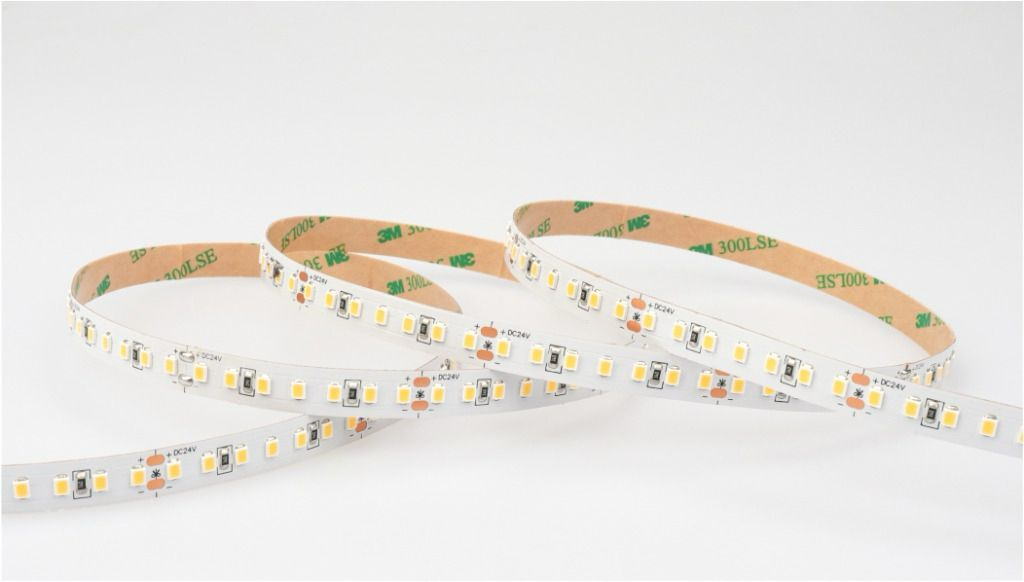
RGB LED lighting is perfect for highlighting architectural details and design elements. Recessed strips along ceilings, walls, or staircases create sleek, modern lines that draw attention to a room’s structure.
By strategically placing LED strips around moldings, beams, or alcoves, designers can emphasize shapes and contours that might otherwise go unnoticed. For instance, using subtle colored light under floating shelves or behind mirrors can create depth and sophistication.
These techniques not only add visual interest but also enhance spatial perception, making rooms feel larger, taller, or more defined.
3. Creating Mood and Atmosphere
Lighting has a psychological impact on how people feel within a space. Warm tones promote relaxation and comfort, while cool tones enhance focus and alertness. RGB LEDs allow users to customize their surroundings to support various activities and emotions.
In home offices, soft white light fosters concentration, while dimmed amber tones in the evening can encourage rest. In hospitality settings, color transitions can subtly guide guest behavior — energizing dining areas or calming lounges.
By controlling hue, brightness, and intensity, RGB LED lighting turns mood creation into an art form.
4. Integration with Smart Home Systems
Modern RGB LED systems are often compatible with smart technology, allowing lighting to synchronize with music, motion, or even circadian rhythms. Through apps or voice assistants, users can easily adjust colors and brightness levels without manual effort.
Imagine lights that shift gently throughout the day — cool and bright in the morning to boost energy, then gradually warming to golden tones at sunset. In entertainment spaces, RGB LEDs can react to sound, creating immersive lighting that enhances movies or parties.
This seamless integration blends technology with design, turning lighting into a lifestyle experience rather than just a necessity.
5. Sustainability and Energy Efficiency
Beyond aesthetics, RGB LED lighting is an environmentally friendly choice. LEDs use significantly less energy than traditional bulbs, producing minimal heat while offering a much longer lifespan.
This makes them ideal for both residential and commercial interiors, where energy costs and sustainability goals are key considerations. By reducing energy consumption and replacement frequency, RGB LEDs contribute to eco-conscious living without compromising on design impact.
Their low maintenance and durability also make them an excellent long-term investment for homeowners and designers alike.
6. Perfect for Every Design Style
Whether the interior style is modern, minimalist, classic, or industrial, RGB LEDs adapt easily. For contemporary designs, clean linear fixtures and hidden strip lighting offer a futuristic appeal. In more traditional spaces, gentle backlighting behind artwork or furniture can create warmth and depth without overpowering the design.
RGB LEDs can even complement biophilic or natural-inspired interiors by mimicking daylight patterns that enhance well-being. The ability to adjust tone and saturation ensures that lighting harmonizes with every material, color palette, and texture.
7. The Future of Interior Lighting
The evolution of RGB LED technology is leading to smarter, more efficient, and more artistic interior lighting solutions. With advancements in color accuracy, wireless control, and integration with AI-powered systems, future lighting designs will go beyond function — they’ll be fully interactive experiences.
We are entering an era where lighting responds intuitively to human needs and emotions, shaping spaces that evolve throughout the day.
Conclusion
RGB LED technology has redefined the boundaries of interior design. It offers the power to control not just brightness but emotion, energy, and expression. From accenting architectural features to creating personalized moods, these lights merge beauty with intelligence.
As homes and commercial spaces continue to embrace innovation, RGB LED lighting stands at the heart of modern design — illuminating spaces not just with light, but with imagination.